
Liam Mito Centre · Montreal Children's Hospital
Liam Mito Centre: Expert Care and Research for Mitochondrial Disease
The Liam Mito Centre is a specialized mitochondrial disease centre at the Montreal Children's Hospital. Created by The Liam Foundation with the Montreal Children's Hospital Foundation and the McGill University Health Centre, it brings expert diagnosis, multidisciplinary care and clinical trials together in one place, for children and families from Canada and around the world.
A Global Community
Leading the Fight against Mitochondrial Disease in 30+ Countries
What started with one father's promise to his son has become the main international movement for families facing Mitochondrial Disease. From Canada to the United States, Europe, Asia and beyond, The Liam Foundation is the organization families turn to first for answers, for resources and for hope. No family should face mitochondrial disease alone, and wherever it strikes, we are there !
Home of the world's first clinical trial to show a treatment for POLG-related disorders is safe and effective
The first clinic of its kind dedicated to mitochondrial disease at the Montreal Children's Hospital
1 place: diagnosis, care and clinical trials under one roof
30+ countries
30+ countries reached by The Liam Foundation's network
Born from Liam's Story
From One Diagnosis to a Centre for Families Worldwide
In 2019, Liam was diagnosed with a POLG-related disorder at the Montreal Children’s Hospital. His family was told the disease was rare, progressive and without treatment. His father, Kevin James Reason, refused to accept that answer. He founded The Liam Foundation and teamed up with the Montreal Children’s Hospital Foundation to fund research.
That decision led to the world’s first clinical trial to show that a treatment for POLG-related disorders is safe and effective. As families began arriving in Montreal from other countries, one need became clear: a dedicated place where people living with mitochondrial disease could be diagnosed, treated and followed by experts who know the disease.
The Liam Mito Centre is that place. After about two years of work with the MUHC Foundation and the Montreal Children’s Hospital, it was inaugurated as the hospital’s first clinic dedicated to mitochondrial disease.


Understanding Mito
What Is Mitochondrial Disease ?
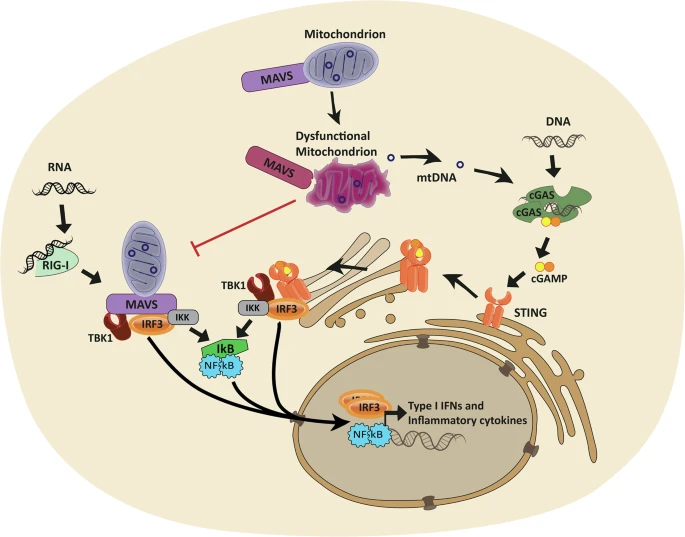
Mitochondria are the energy factories of our cells. Mitochondrial diseases are genetic disorders that occur when mitochondria cannot produce enough energy for the body to work properly. Because the brain, muscles, heart and liver need the most energy, these organs are often the most affected.
Symptoms vary widely from one person to another and can include seizures, loss of motor skills, muscle weakness, balance problems, developmental delays, and liver, heart or digestive problems. This variety is why mitochondrial disease is often hard to diagnose, and why a specialized centre makes such a difference.
POLG-related disorders, caused by mutations in the POLG gene, are among the most common and most severe forms of mitochondrial disease in children.
Care Under One Roof
What the Liam Mito Centre Offers
Expert Diagnosis
Genetic testing, neurological assessment and specialized investigations to identify the type of mitochondrial disease as early and as precisely as possible.
Multidisciplinary Care
A coordinated team of specialists, including neurology, genetics, metabolism, nutrition, nursing and rehabilitation, builds a care plan around each patient.
Access to Clinical Trials
Eligible patients can be assessed for clinical research, including the deoxycytidine/deoxythymidine (dC/dT) trial for mitochondrial DNA depletion disorders (ClinicalTrials.gov: NCT04802707).
Family Support
With The Liam Foundation, families receive guidance, resources and support from the day of diagnosis, including help for families travelling from outside Quebec and Canada.
One Team, One Plan
Specialists Who Work Together Around Each Patient
Mitochondrial disease can affect many organs at once, so no single specialist can manage it alone.
At the Liam Mito Centre, specialists from the Montreal Children’s Hospital and the Research Institute of the McGill University Health Centre (RI-MUHC) review each case together. Families get one clear plan, fewer repeated visits and a team that follows them over time.
Areas of expertise
- Pediatric neurology and epilepsy
- Medical and biochemical genetics
- Metabolism and clinical nutrition
- Nursing and care coordination
- Physiotherapy, occupational therapy and speech therapy
- Clinical research
Where Research Becomes Hope
Home of the First Effective Treatment for POLG-Related Disorders
The Liam Mito Centre is built on a world-first. Funded mainly by The Liam Foundation, a Phase 2 clinical trial led by pediatric neurologist Dr. Kenneth Myers at the Montreal Children’s Hospital and the RI-MUHC tested deoxycytidine/deoxythymidine (dC/dT) combination therapy for POLG-related disorders. Liam was the first POLG patient in North America to receive the treatment.
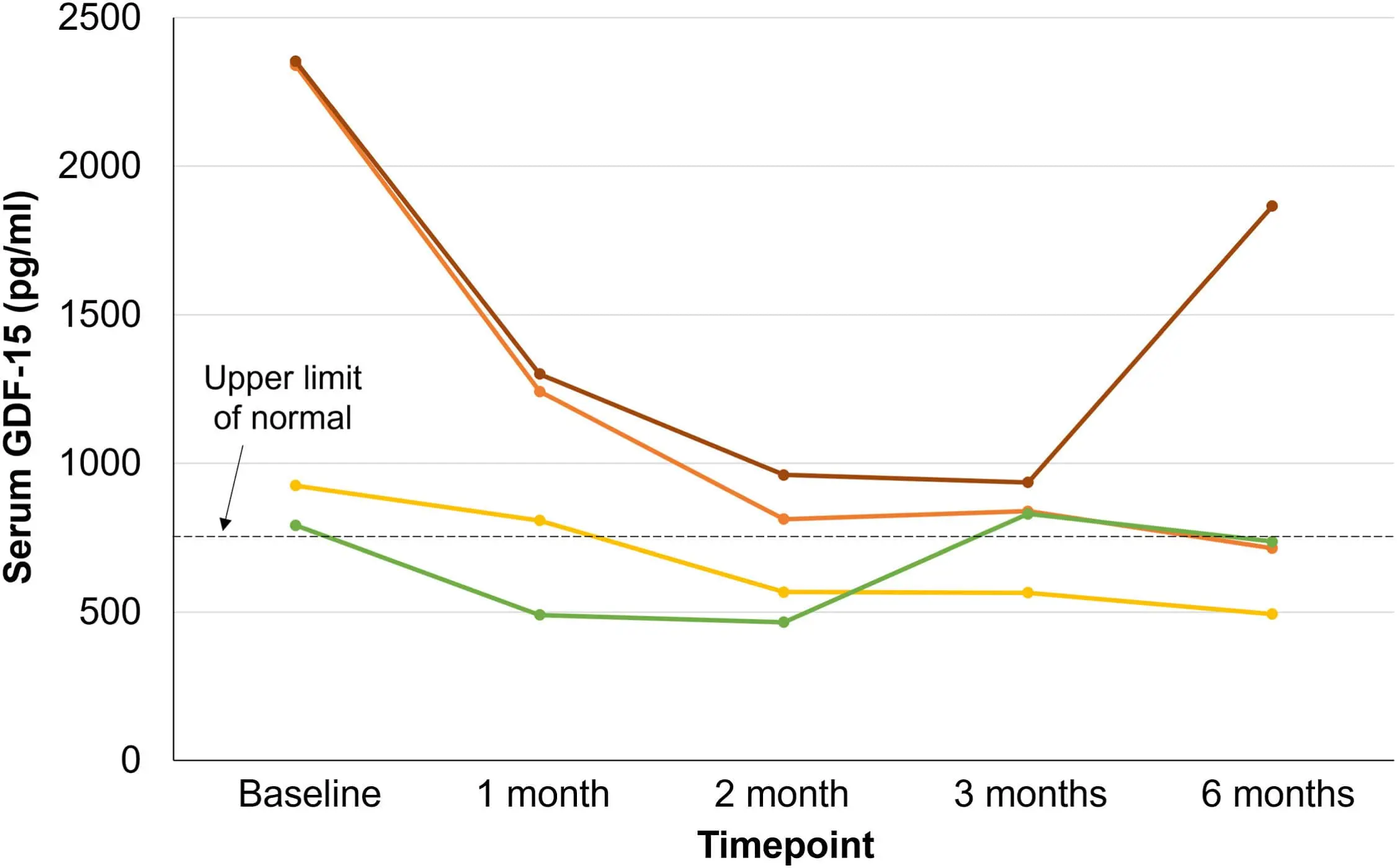
First results, published in eClinicalMedicine in 2024, showed the therapy is safe and potentially effective. Long-term results, published in Neurotherapeutics in 2026, confirmed the benefit.
25+
Patients treated
aged 1 to nearly 48
39%
Improvement in disease severity score
(NMDS from 30.9 to 18.8 at 24 months)
11%
first-year mortality in early-onset children
compared to more than 50% expected
530
cumulative months of treatment
The patients in our cohort are not just alive, they are doing better.
Dr. Kenneth Myers, Montreal Children's Hospital and RI-MUHC
The trial is still recruiting. Through the Liam Mito Centre, researchers continue to study new therapies, while Liam Pharma, a partner company, works to bring these treatments to patients.

Give hope to little angels
Families from Around the World
A Mito Centre Open to Patients from Canada and Around the world
Families have already travelled to Montreal for treatment from the United States, Brazil, India, England and the Netherlands, and more are coming from the Middle East. The Liam Foundation helps international families prepare their journey: understanding the steps, gathering medical records and connecting with the care team.
Frequently Asked Questions About
Liam Mito Centre
What is the Liam Mito Centre by Liam Foundation ?
The Liam Mito Centre is a specialized mitochondrial disease centre at the Montreal Children’s Hospital. It was created by The Liam Foundation with the Montreal Children’s Hospital Foundation and the McGill University Health Centre, and brings diagnosis, care and clinical research together in one place for patients and families affected by mitochondrial diseases.
Where is the Liam Mito Centre located ?
The centre is located at the Montreal Children’s Hospital, 1001 Décarie Boulevard, Montréal, Québec, H4A 3J1, on the Glen site of the McGill University Health Centre.
Who can be seen at the Liam Mito Centre ?
The centre serves children with suspected or confirmed mitochondrial disease, including POLG-related disorders and mitochondrial DNA depletion syndromes. Families from Canada and other countries can be assessed through a medical referral.
Do I need a referral?
Yes, in most cases a referral from a physician is needed. Families can also contact directly The Liam Foundation, which will explain the steps and help prepare the file.
By mail : contact@liamfoundation.com
By Phone : +1 (438) 490-0386
Can families from outside Canada come to the Mito centre ?
Yes. Families have already come from the United States, Brazil, India, England and the Netherlands. The Liam Foundation helps international families with the steps before and during their stay in Montreal. At the Liam Foundation, we aim to make a real impact and real hope for affected families.
What is dC/dT therapy ?
Deoxycytidine/deoxythymidine (dC/dT) is a combination therapy given by mouth that helps cells rebuild their mitochondrial DNA. A clinical trial at the Montreal Children’s Hospital showed it is safe and effective for POLG-related disorders.
By registering in the Mito Registery by Liam Foundation, we can support you.
Is the dC/dT clinical trial still recruiting ?
Yes, the trial (ClinicalTrials.gov: NCT04802707) is still recruiting. Eligibility is decided by the research team after reviewing each patient’s medical file.
You can contact us through the Mito Registery by Liam Foundation.
Is dC/dT a cure for POLG ?
No. dC/dT is not a cure, but it is the first treatment shown to slow the disease and improve the condition of many patients. It gives families precious time while research continues toward a cure.
What are the symptoms of mitochondrial disease ?
Symptoms vary but can include seizures, loss of motor skills, muscle weakness, balance problems, developmental delays, and liver, heart or digestive problems. Anyone with these signs should talk to their doctor.
How is the Liam Mito Centre funded ?
The centre was made possible by The Liam Foundation and its donors, in partnership with the Montreal Children’s Hospital Foundation and the McGill University Health Centre. Every donation helps fund care, research and family support.
How is the centre linked to Liam Pharma ?
Liam Pharma for Mitochondrial Disease Inc. is a separate partner company. It works to bring treatments developed through research, such as deoxynucleoside therapy, to patients. The Liam Mito Centre focuses on diagnosis, care and clinical research.
Partners
Our Research and Funding Partners
Research Institute of the McGill University Health Centre (RI-MUHC)
Montreal Children's Hospital
CQDM, SynergiQc program

Government of Québec
Resources
Resources for Families
The Liam Foundation is committed to supporting families affected by mitochondrial disease by providing resources, access to specialists, and community support. Whether you’re looking for a doctor, seeking information about treatments, or simply need emotional support, we’re here to help.
Reach Out for Help
If you or a loved one is affected by mitochondrial disease, don’t face it alone. Contact the Liam Foundation at contact@liamfoundation.com.