Mitochondrial Disease Support

Register for Mitochondrial Disease Support

Submit your confidential request to receive assistance, guidance, and access to treatment pathways through the Liam Foundation. Your information will remain strictly confidential and will only be shared with Liam Foundation’s verified medical partners to evaluate support and care options.

Mitochondrial Disease Support, Liam Foundation

How it works ?

Eligibility / Who should register

If this is an emergency, call your local emergency services immediately. This form is not monitored 24/7.

Register for Mitochondrial Disease Support

Register here

Patient identity
If patient is a minor
Clinical details
Genetic / lab confirmation
Symptoms & systems affected
What can Liam Foundation help you with ?
Upload the genetic report

Frequently Asked Questions About
Mitochondrial Disease

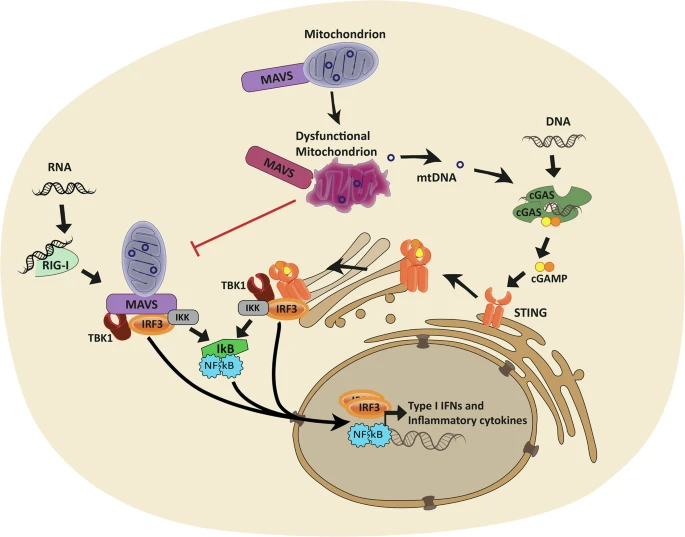
Mitochondrial disease refers to a group of disorders caused by dysfunctional mitochondria, the energy-producing structures in cells. These dysfunctions can lead to insufficient energy production, affecting various organs and systems in the body.

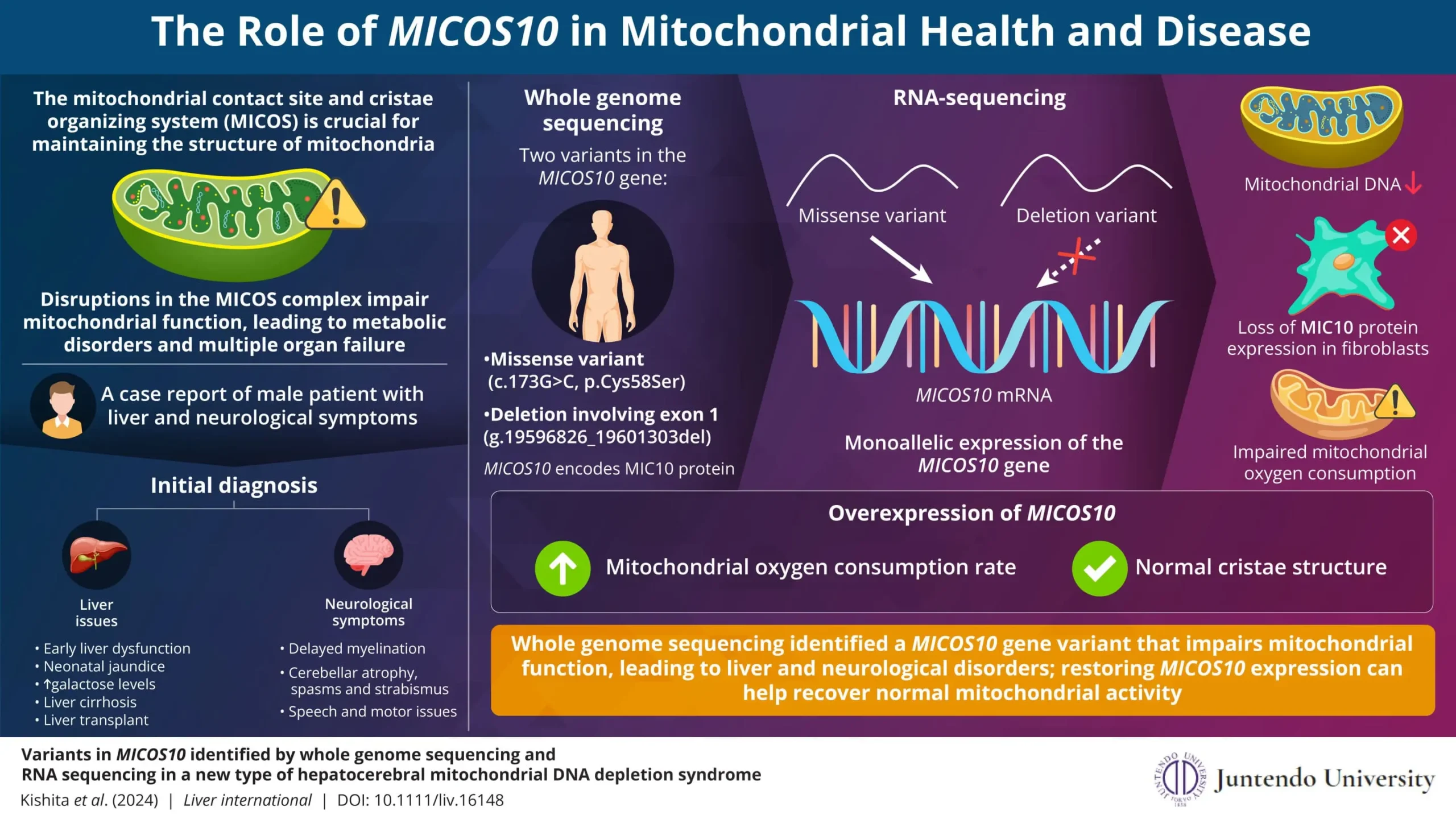
Mitochondrial diseases are primarily caused by genetic mutations. These mutations can occur in mitochondrial DNA (mtDNA) inherited maternally or in nuclear DNA (nDNA) inherited from both parents. Environmental factors may also contribute to mitochondrial dysfunction.

Symptoms vary widely but often include muscle weakness, neurological issues (such as seizures or developmental delays), heart problems, vision and hearing impairments, and gastrointestinal difficulties. The severity and combination of symptoms differ among individuals.

Diagnosis involves a combination of clinical evaluations, laboratory tests (including blood and urine analyses), genetic testing, and sometimes muscle biopsies. Specialists like neurologists and geneticists typically oversee the diagnostic process.

Currently, there is no definitive cure for mitochondrial disease. Treatment focuses on managing symptoms and may include medications, dietary supplements, physical therapy, and other supportive measures. Ongoing research aims to develop more effective therapies.

Inheritance patterns vary. Mutations in mtDNA are passed from mother to child, as only eggs contribute mitochondria to the embryo. Mutations in nDNA follow Mendelian inheritance patterns and can be passed from either parent.

Individuals with a family history of mitochondrial disease are at higher risk. However, spontaneous mutations can also lead to the disease, meaning it can occur without a known family history.

While lifestyle changes cannot cure the disease, maintaining a balanced diet, engaging in appropriate physical activity, and avoiding environmental toxins may help manage symptoms and improve quality of life.

Research is exploring gene therapy, mitochondrial replacement techniques, and new medications aimed at enhancing mitochondrial function. Clinical trials are ongoing to evaluate the safety and efficacy of these potential treatments.